

Are you a new driver wondering how to navigate the complex world of car insurance? As a first-time buyer, it’s natural to feel overwhelmed by the numerous options and technical terms.
Getting the right coverage is crucial, not just for your financial security but also for complying with state laws. A good insurance policy can protect you from significant financial losses in case of an accident.
Understanding your options and making informed decisions can save you money and ensure you’re adequately protected on the road.
Key Takeaways
Table of Contents
- Understand the basics of car insurance to make informed decisions.
- Know the minimum coverage requirements in your state.
- Compare quotes from multiple insurance providers.
- Consider factors that affect your insurance premiums.
- Look for discounts and bundle policies to save money.
Understanding Auto Insurance Basics
The world of auto insurance can be daunting, but knowing its basics can simplify the process for first-time buyers. Auto insurance is not just a legal requirement in most states; it’s a financial safety net that protects you and your vehicle from unforeseen circumstances.
What Auto Insurance Actually Protects
Auto insurance is designed to cover various risks associated with driving. It includes coverage for damages to your vehicle, medical expenses for you and your passengers, and liability for damages or injuries you may cause to others. Understanding what your policy covers is crucial for making informed decisions.
Legal Requirements Across Different States
Auto insurance requirements vary significantly from one state to another. While some states require a minimum level of liability coverage, others may have additional requirements such as personal injury protection (PIP) or uninsured motorist coverage. It’s essential to familiarize yourself with the specific requirements in your state to ensure compliance.
Key Insurance Terms Every New Driver Should Know
To navigate the auto insurance market effectively, new drivers should be familiar with key terms such as premium, deductible, and policy limit. Understanding these terms will help you compare policies and choose the one that best suits your needs.
By grasping these basics, first-time buyers can make more informed decisions when purchasing auto insurance, ensuring they have the right coverage at the best possible price.
Essential Types of Auto Insurance Coverage
Navigating the world of auto insurance can be daunting, but knowing the essential types of coverage can simplify the process. As a first-time car owner, understanding these options is crucial for making informed decisions when purchasing auto insurance for the first time.
Liability Coverage: The Mandatory Protection
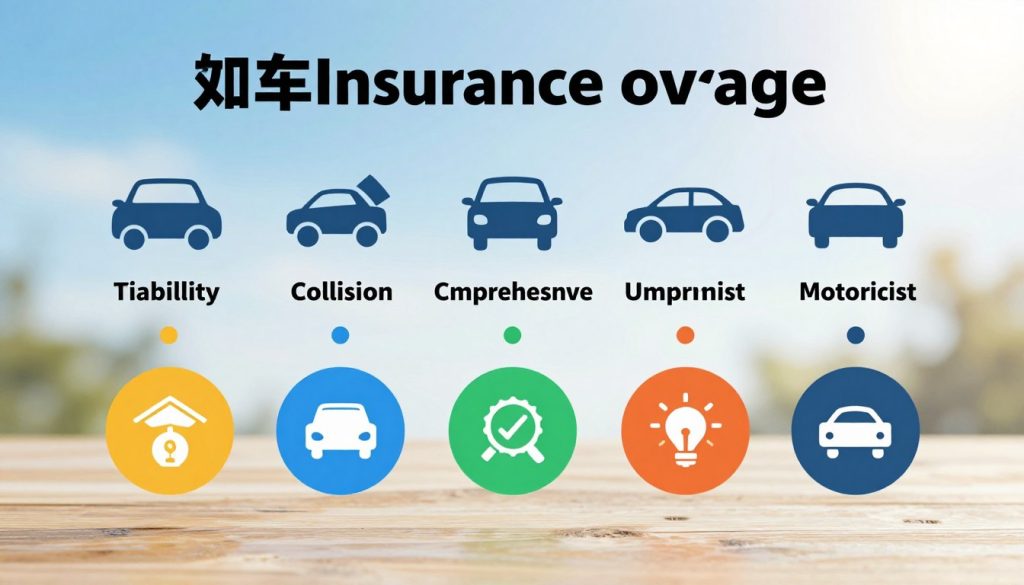
Liability coverage is a fundamental component of auto insurance, mandated by law in most states. It covers damages to other people or property in the event of an accident where you’re at fault. This type of coverage is divided into two main categories: bodily injury liability and property damage liability. It’s essential to have sufficient liability coverage to protect your assets in case of a lawsuit.
Collision and Comprehensive: Protecting Your Vehicle
Collision coverage pays for damages to your vehicle resulting from a collision, regardless of who’s at fault. Comprehensive coverage, on the other hand, covers damages not caused by a collision, such as theft, vandalism, or natural disasters. Together, these coverages ensure your vehicle is protected against a wide range of risks.
Medical Coverage Options: PIP and Medical Payments
Medical coverage options, including Personal Injury Protection (PIP) and Medical Payments coverage, help pay for medical expenses resulting from an accident. PIP coverage is particularly valuable as it often covers not just you, but also your passengers, and may include additional benefits like lost wages and childcare costs. Understanding these options is key to ensuring you and your passengers are adequately protected.
Uninsured/Underinsured Motorist Protection
Uninsured/underinsured motorist coverage protects you if you’re involved in an accident with someone who doesn’t have insurance or doesn’t have enough insurance to cover the damages. This coverage is crucial in safeguarding your financial well-being against the actions of other, potentially uninsured, drivers.
By understanding these essential types of auto insurance coverage, first-time car owners can make more informed decisions when selecting their insurance policies. It’s about finding the right balance between coverage and cost, ensuring you’re protected without overpaying.
Auto Insurance Tips for First Time Buyers
First-time auto insurance buyers often face a myriad of choices, but focusing on a few key areas can simplify the process. Understanding your insurance needs is the first step towards making an informed decision.
Assessing Your Personal Coverage Needs
Assessing your personal coverage needs involves considering several factors, including the value of your vehicle, your financial situation, and your health insurance coverage. For instance, if you have a new car, you might want comprehensive coverage to protect your investment.
Balancing Deductibles and Premium Costs
Balancing deductibles and premiums is crucial. A higher deductible can lower your premium, but you’ll pay more out-of-pocket if you file a claim. Consider your financial situation when deciding on a deductible.
“The key to balancing deductibles and premiums is understanding your financial capacity and risk tolerance.” – Insurance Expert
Understanding and Setting Appropriate Policy Limits
Policy limits determine the maximum amount your insurance company will pay in the event of a claim. It’s essential to set limits that are high enough to protect your assets.
Minimum vs. Recommended Coverage Amounts
While minimum coverage amounts are required by law, they might not be enough to cover all expenses in a serious accident. Consider opting for higher coverage limits for better protection.
| Coverage Type | Minimum Coverage | Recommended Coverage |
|---|---|---|
| Bodily Injury Liability | $25,000/$50,000 | $100,000/$300,000 |
| Property Damage Liability | $25,000 | $50,000 – $100,000 |
By carefully assessing your needs, balancing your deductible and premium costs, and setting appropriate policy limits, you can secure a robust auto insurance policy that protects you financially.
Factors That Influence Your Insurance Rates
Several key factors influence your auto insurance rates, and knowing them can help you save money. As a first-time buyer, understanding these elements can help you make informed decisions when purchasing your auto insurance.
Driver-Related Factors: Age, Experience, and Driving Record
Your age, driving experience, and driving record are significant factors in determining your insurance rates. Younger drivers and those with less experience typically face higher premiums due to the increased risk. A clean driving record, on the other hand, can lead to lower rates.
Vehicle Considerations: Make, Model, and Safety Features
The make, model, and safety features of your vehicle also play a crucial role. Cars with advanced safety features or those that are less expensive to repair tend to have lower insurance rates. Conversely, luxury or high-performance vehicles are usually more costly to insure.

Personal Factors: Credit Score and Location
Your credit score and location are additional factors that insurers consider. Maintaining a good credit score can help reduce your premiums, as can living in areas with lower crime rates or less traffic congestion.
Usage Patterns: Mileage and Primary Use
How you use your vehicle affects your insurance rates as well. Drivers who use their cars for commuting or drive long distances may face higher premiums compared to those who drive less frequently or for personal use only.
By understanding these factors, you can take steps to potentially lower your insurance costs. For instance, maintaining a clean driving record, choosing a vehicle with good safety ratings, and being mindful of your credit score can all contribute to more affordable auto insurance.
Step-by-Step Guide to Shopping for Your First Policy
The journey to securing your first auto insurance policy involves research, comparison, and informed decision-making. As a first-time buyer, it’s essential to understand the steps involved in finding the right coverage for your needs.
Researching Reputable Insurance Companies
Start by researching reputable insurance companies. Look for insurers with strong financial ratings and positive customer reviews. You can check ratings from agencies like A.M. Best or Moody’s to gauge an insurer’s financial stability.
Consider the following factors when evaluating insurance companies:
- Customer service reputation
- Claim handling process
- Coverage options and flexibility
- Discounts available
Gathering and Comparing Multiple Quotes
Gathering and comparing multiple quotes is crucial. Use online comparison tools or work with an independent insurance agent to gather quotes from several insurers. Ensure you’re comparing similar coverage levels and deductibles.
| Insurer | Premium | Deductible | Coverage Limit |
|---|---|---|---|
| Insurer A | $150/month | $500 | $100,000 |
| Insurer B | $170/month | $250 | $100,000 |
| Insurer C | $140/month | $1000 | $100,000 |
Essential Questions to Ask Before Purchasing
Before making a purchase, ask the following questions:
- What is the claims process like?
- Are there any discounts available?
- Can I adjust my coverage limits or deductibles?
Reading the Fine Print: Exclusions and Limitations
Reading the fine print is crucial. Understand what is excluded from your policy and any limitations that may apply. As noted by insurance expert Eric B. Krohn, “Understanding the exclusions and limitations in your policy can save you from unexpected surprises when filing a claim.”
“The devil is in the details. Make sure you understand what’s covered and what’s not before signing on the dotted line.”
By following these steps and being informed, you can find the right auto insurance policy for your needs. For first time car insurance buying tips, remember to research thoroughly and compare multiple quotes.
Smart Money-Saving Strategies for New Drivers
New drivers can significantly reduce their auto insurance costs by employing a few simple strategies. As a first-time buyer, it’s essential to explore various options to save money without compromising on coverage.
Discounts Every First-Time Buyer Should Ask About
Many insurance companies offer discounts that can significantly lower premiums. These can include good student discounts, defensive driving course discounts, and discounts for certain professions or affiliations. Always inquire about available discounts when shopping for insurance.

Benefits of Bundling Multiple Insurance Policies
Bundling multiple insurance policies with the same provider can lead to substantial savings. For instance, combining auto and home insurance can result in a multi-policy discount. This not only simplifies your insurance management but also reduces overall costs.
Telematics and Usage-Based Insurance Options
Telematics and usage-based insurance options allow insurers to track your driving habits, potentially lowering premiums for safe drivers. These programs monitor factors like speed, braking, and mileage, rewarding safe driving behaviors with discounts.
Education Discounts: Defensive Driving and Good Student
Completing a defensive driving course or maintaining good grades as a student can qualify you for additional discounts. Insurers view these achievements as indicators of responsible behavior, leading to lower risk and, consequently, lower premiums.
By leveraging these strategies, new drivers can enjoy significant savings on their auto insurance while maintaining comprehensive coverage.
Avoiding Common First-Time Insurance Buyer Mistakes
First-time auto insurance buyers frequently encounter mistakes that can be easily avoided with the right guidance. Understanding these common pitfalls is crucial for making informed decisions when purchasing your first policy.
Looking Beyond the Lowest Premium
While cost is a significant factor, choosing a policy based solely on the lowest premium can lead to inadequate coverage. It’s essential to balance the premium cost with the level of coverage provided. Consider the deductible amounts, coverage limits, and any exclusions that may apply.
Understanding the Claims Process Before You Need It
Familiarizing yourself with the claims process can save time and reduce stress in the event of an accident. Know what documentation is required and how to file a claim promptly. Understanding the process helps ensure a smoother experience when you need to use it.
The Importance of Regular Policy Reviews
Your insurance needs can change over time due to various factors such as changes in your driving habits, vehicle, or personal circumstances. Regularly reviewing your policy ensures it remains relevant and adequate for your current situation.
When and How to Adjust Your Coverage
As your circumstances change, so too may your insurance requirements. Whether it’s adding or removing drivers, changing vehicles, or moving to a new location, adjusting your coverage accordingly is vital. This ensures you’re not over-insured or under-insured.
By being aware of these common mistakes and taking steps to avoid them, first-time buyers can secure the right coverage for their needs, ensuring a more secure and less stressful driving experience.
Conclusion
Navigating the world of auto insurance as a first-time buyer can be daunting, but with the right guidance, you can make an informed decision. This beginner’s guide to auto insurance has provided you with essential tips and insights to get you started.
By understanding the basics of auto insurance, assessing your personal coverage needs, and comparing quotes from reputable insurance companies, you can find the best policy for your needs. Remember to ask about first time car insurance buying tips and auto insurance tips for first time buyers to ensure you’re getting the best deal.
As you finalize your purchase, keep in mind the factors that influence your insurance rates and the smart money-saving strategies available to you. With this knowledge, you’ll be well-equipped to drive away with confidence, knowing you’re protected on the road.